
Skin Rejuvenation
Address broader skin concerns alongside pigmentation.
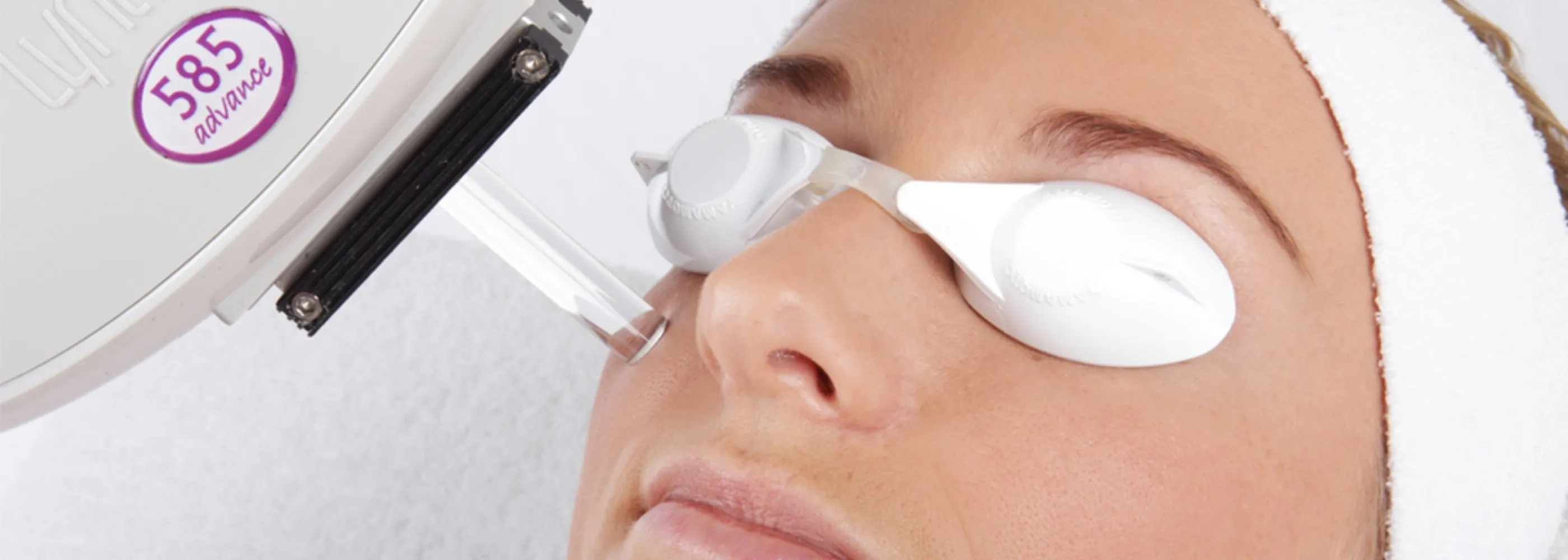
Uneven skin tone, age spots, and sun damage can make you look older than you feel. Pigmentation treatment targets these dark patches using precise laser energy, restoring a clearer, more even complexion.
 Best Results
 1-3 Treatments
 Treatment Time
 15-40 Minutes
 Recovery
 7-10 Days
 Complications
 Low
 Anaesthetic
 Not Required
 Cost
Cost From £115
Initial consultation required first
Before booking this treatment you'll need an initial consultation, so Kathryn can assess your suitability and keep your treatment safe. The £35 consultation fee is credited toward your first treatment. Book your consultation below.
Do those age spots and dark patches make you feel like your skin looks older than you are? Uneven pigmentation can be frustrating—you've spent years protecting your skin, yet the damage from your past keeps showing. Concealer helps, but it doesn't solve the problem.
Laser pigmentation treatment uses selective photothermolysis to target melanin deposits causing age spots and sun damage. The LUMINA® laser delivers light absorbed by dark pigment, shattering it into fragments your body eliminates naturally. Most surface spots fade significantly or disappear after 1-3 sessions.
Pigmentation issues are one of the most common concerns Kathryn treats at Mode Laser Skin Clinic—and one of the most satisfying to address because the results are so visible. That age spot that's been bothering you for years can often be significantly faded or completely removed in just one or two sessions. The key is understanding what type of pigmentation you have, because different types respond to treatment differently.
Understanding Different Types of Pigmentation:
Not all brown spots are created equal. Identifying the type of pigmentation is crucial for choosing the right treatment approach:
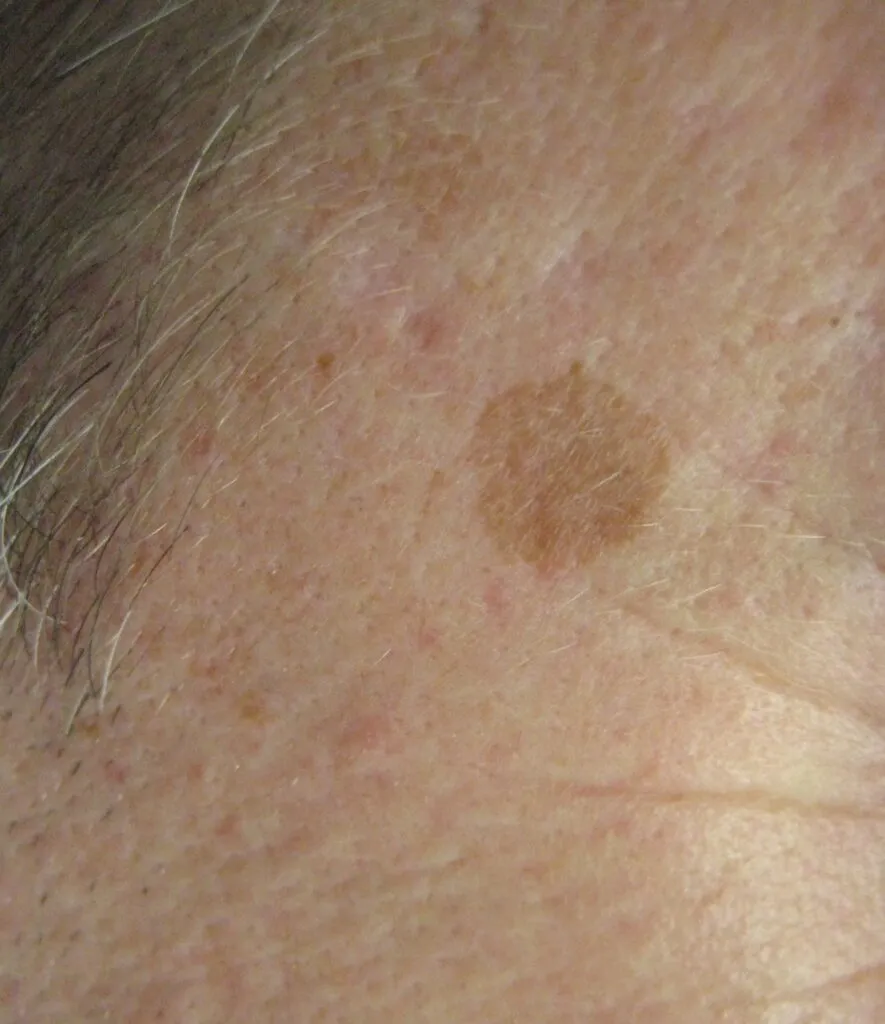
• Solar lentigines (age spots/liver spots) — Flat brown spots caused by cumulative sun exposure. Despite the name, they're not caused by age—just sun damage accumulated over time. These respond excellently to laser treatment.
• Sun damage — General uneven pigmentation from UV exposure, often appearing as mottled, patchy skin tone. IPL and Q-switch laser can dramatically improve this by selectively targeting the excess melanin in the skin.
• Freckles (ephelides) — Small clusters of concentrated pigment that darken with sun exposure. Can be lightened or removed if desired, though some people prefer to keep them.
• Post-inflammatory hyperpigmentation (PIH) — Dark marks left after acne, injuries, or inflammation. These can be treated, but the underlying cause should be addressed first.
• Melasma — Hormone-related pigmentation appearing as symmetrical patches, often on the cheeks, forehead, and upper lip. This is more complex and requires careful management—laser isn't always the first choice.
• Seborrheic keratoses — Raised, waxy brown spots that increase with age. These can be treated but may require different approaches.
What Causes Pigmentation:
Understanding why pigmentation develops helps you prevent new spots from forming:
• UV exposure — The number one cause. Even sun exposure from decades ago can manifest as spots years later. Every tan and sunburn has contributed to the pigmentation you're seeing now.
• Hormones — Pregnancy, contraceptive pills, and HRT can trigger melasma and general pigmentation changes.
• Aging — As skin thins with age, pigmentation becomes more visible. The skin's ability to regulate melanin production also decreases.
• Inflammation — Any skin trauma—acne, cuts, burns, even aggressive treatments—can trigger pigmentation in susceptible individuals.
• Genetics — Some people are simply more prone to developing pigmentation than others.
How Laser Pigmentation Treatment Works:
The LUMINA® laser targets pigmentation using a principle called selective photothermolysis—a precise way of saying the laser energy is selectively absorbed by darker pigment while passing through lighter surrounding skin. The laser delivers short pulses of light. The light is absorbed by melanin, converting to heat that shatters pigment into tiny particles.
Over the following days and weeks, your body's immune system clears away these fragmented pigment particles.
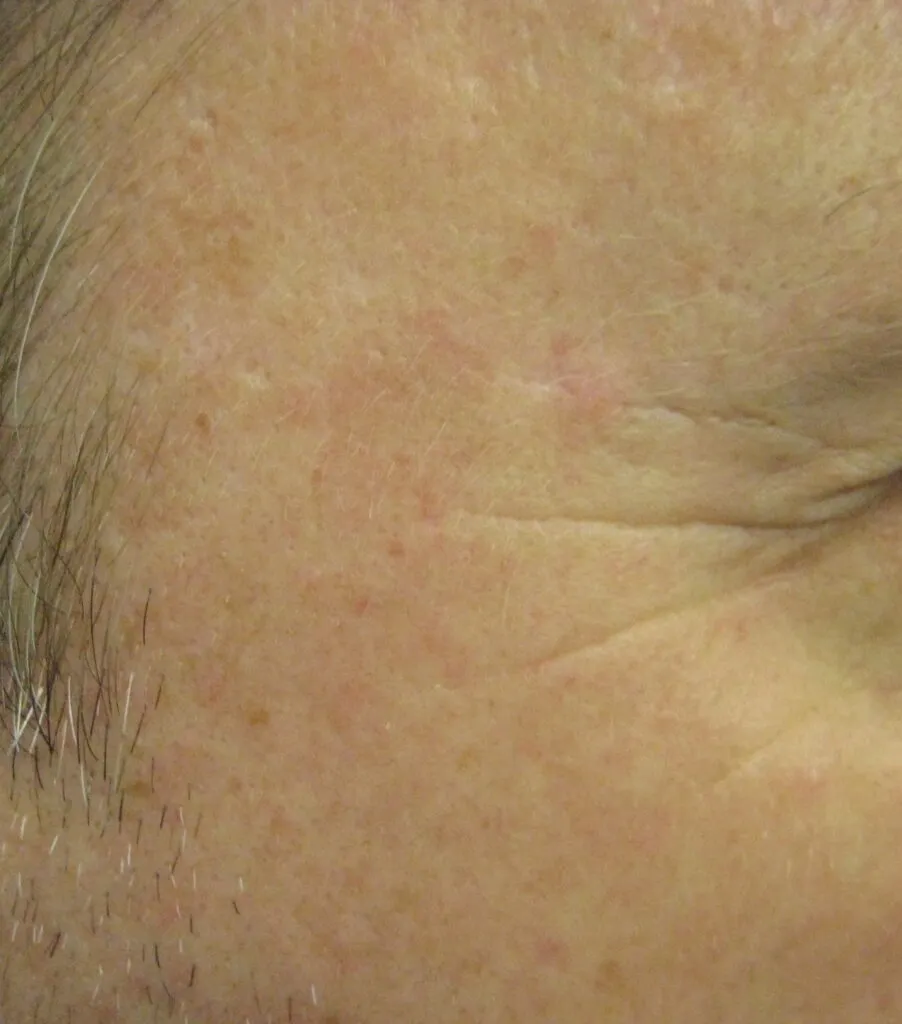
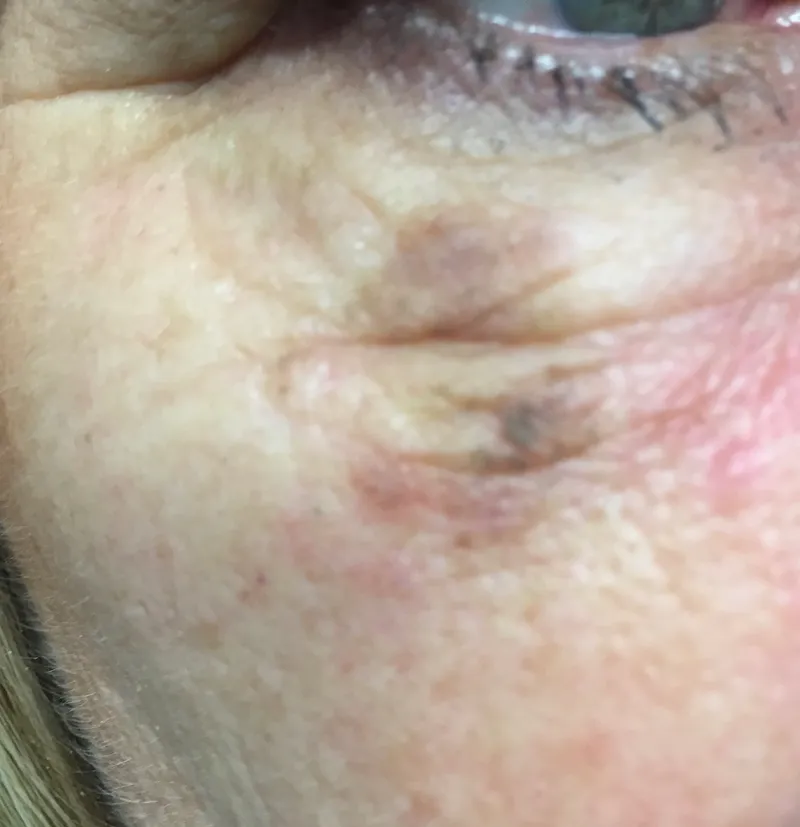
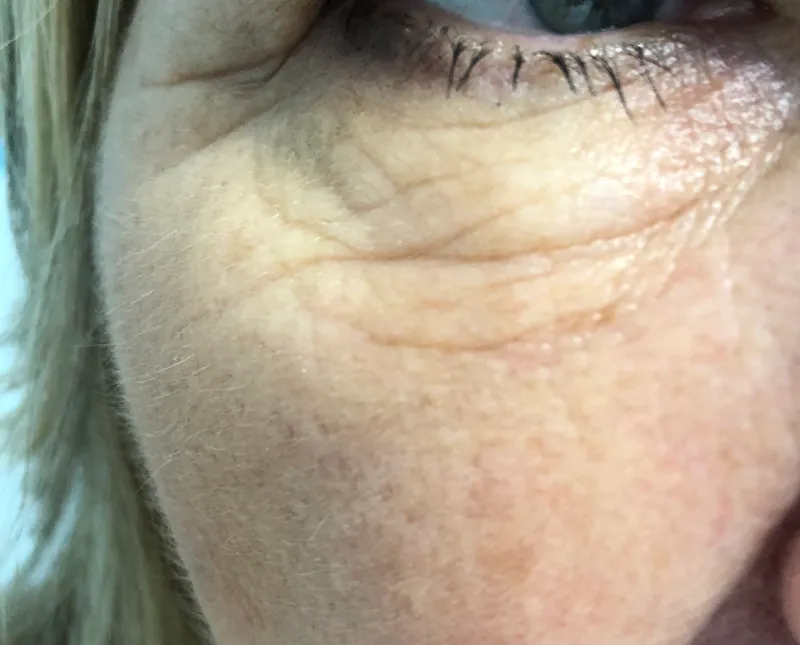
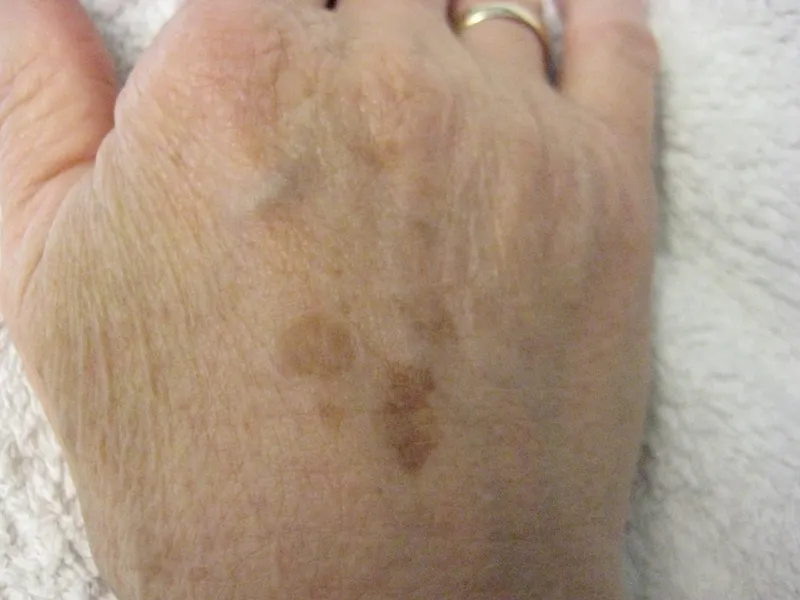
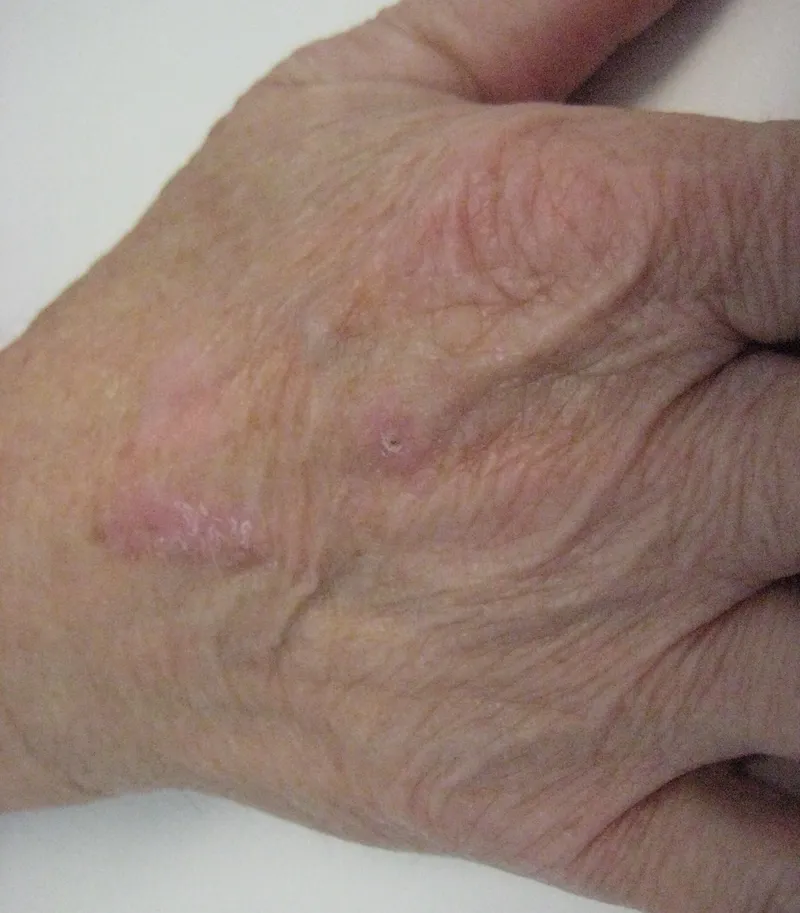
What you'll observe: Immediately after treatment, the spot will look darker—often grey or even black. This is completely normal and actually indicates successful treatment. Over 7-14 days, this darkened area will form a fine crust that naturally flakes off, revealing clearer skin beneath.
Treatment Areas:
While facial pigmentation is most common, sun damage doesn't discriminate. Kathryn at Mode Laser Skin Clinic regularly treats:
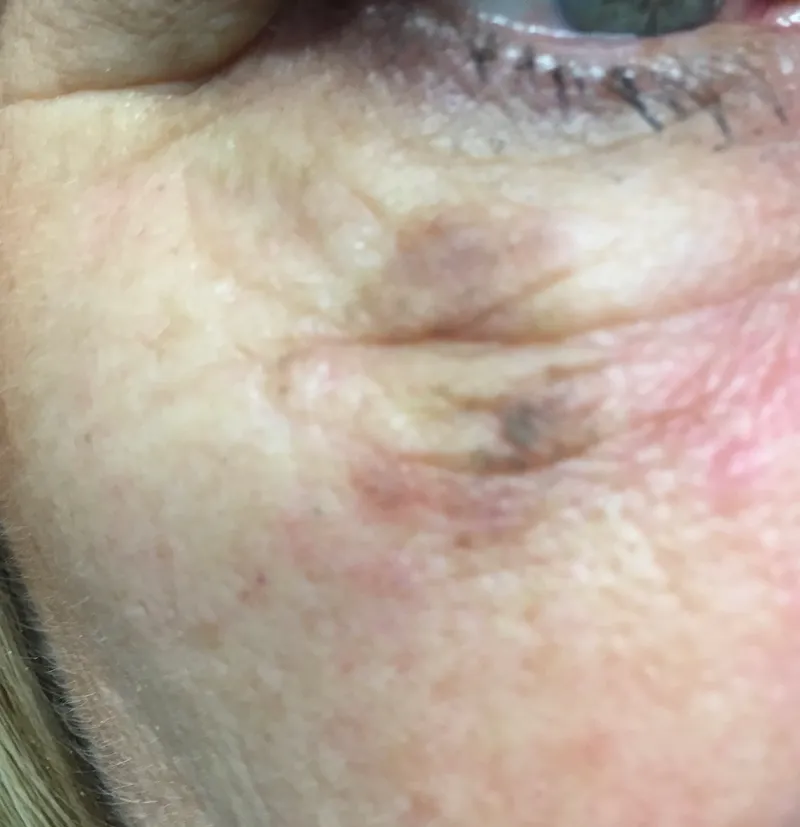
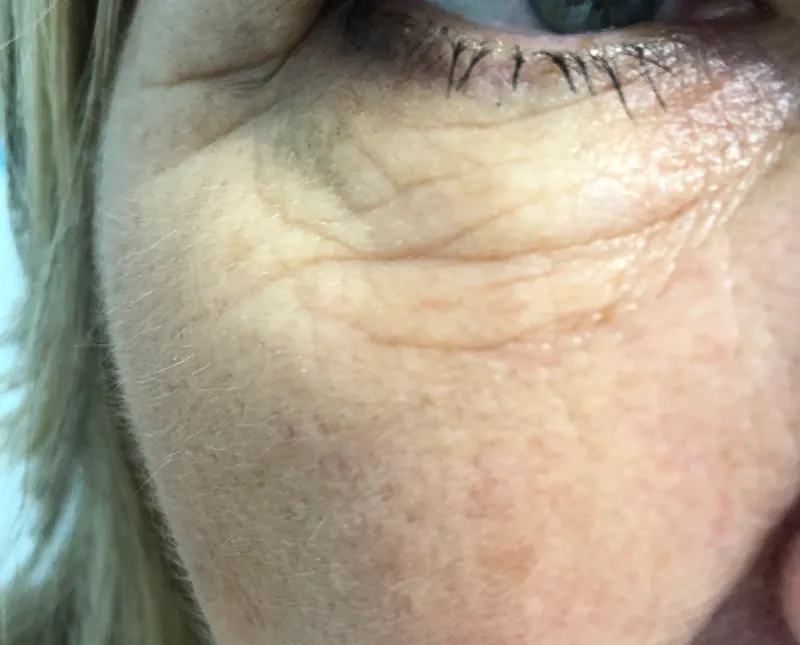
• Face — Cheeks, forehead, temples, nose, and upper lip are common areas for age spots and sun damage
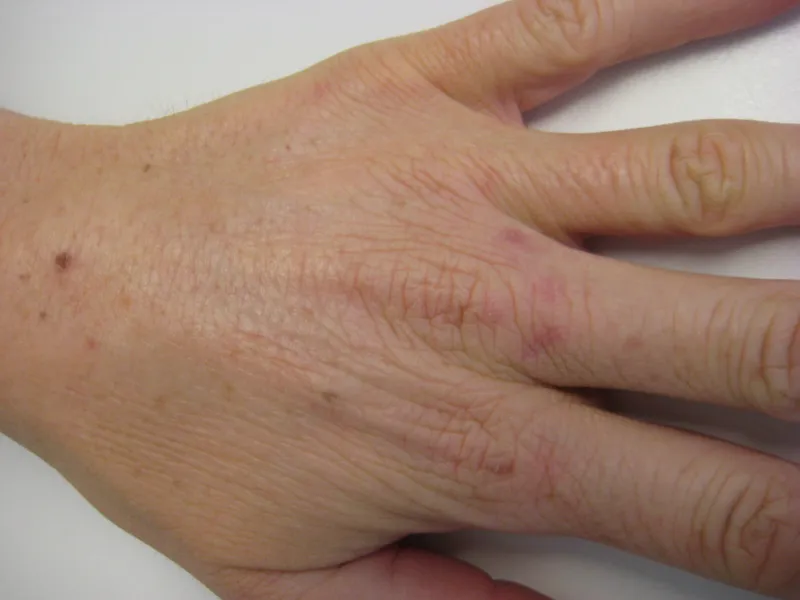
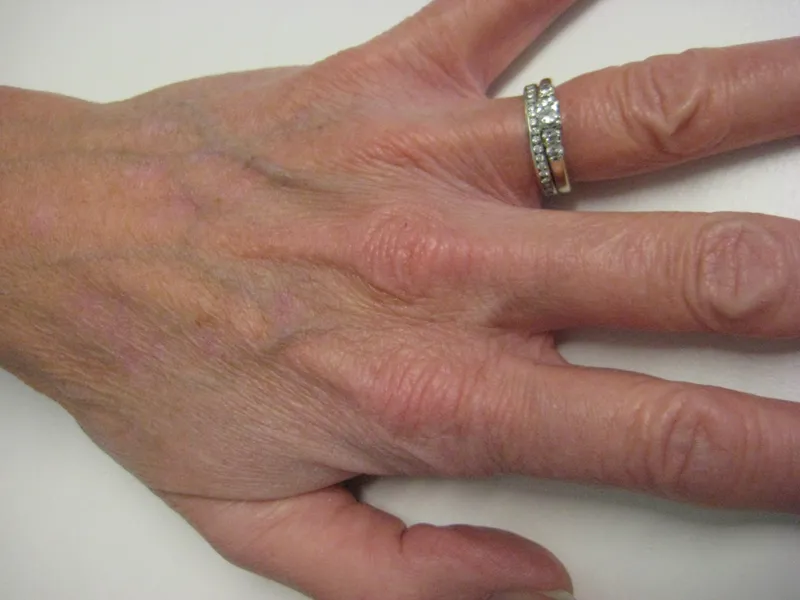
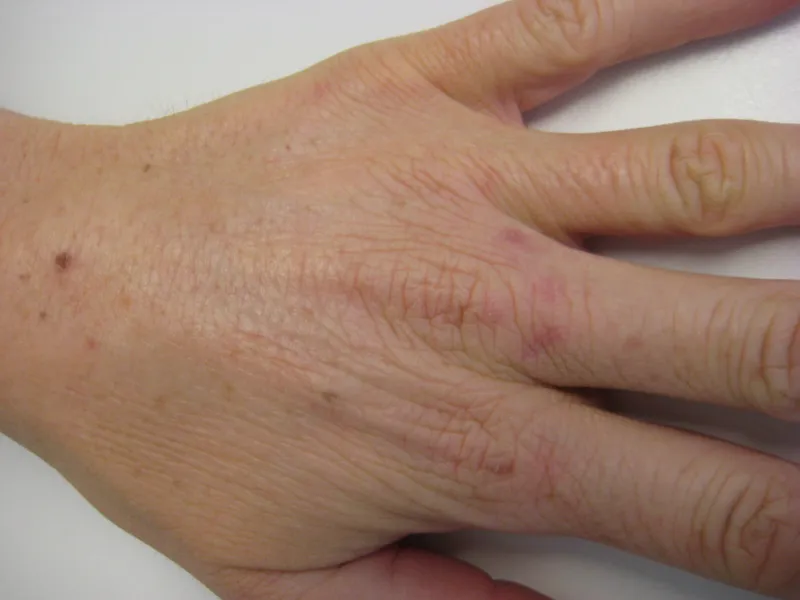
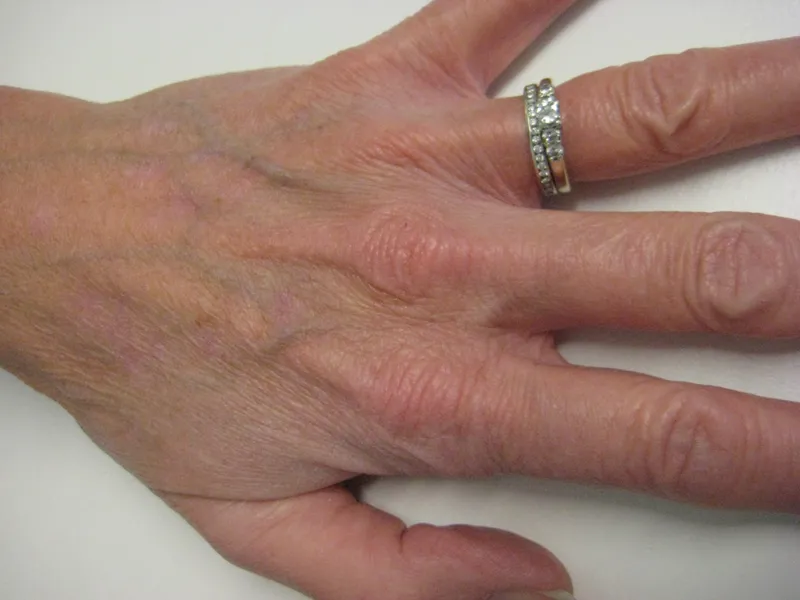
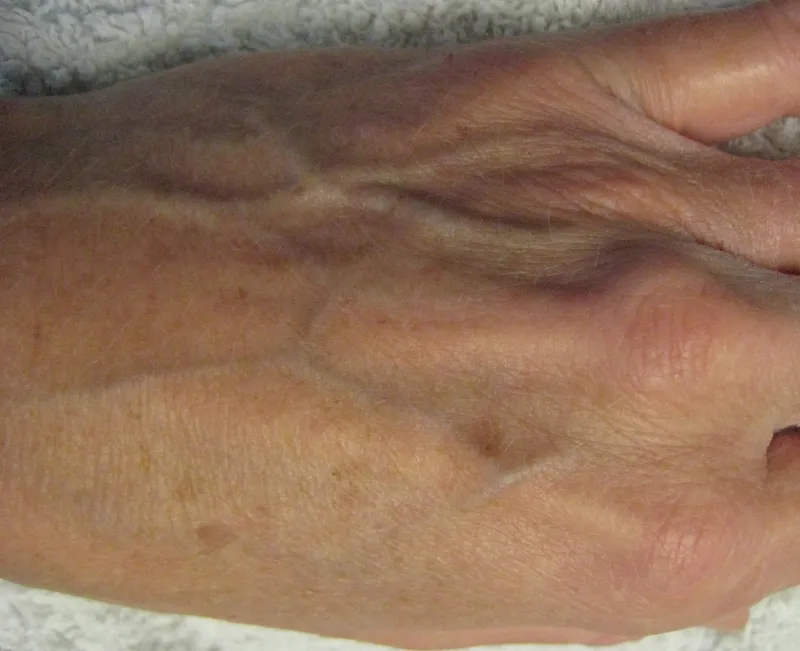
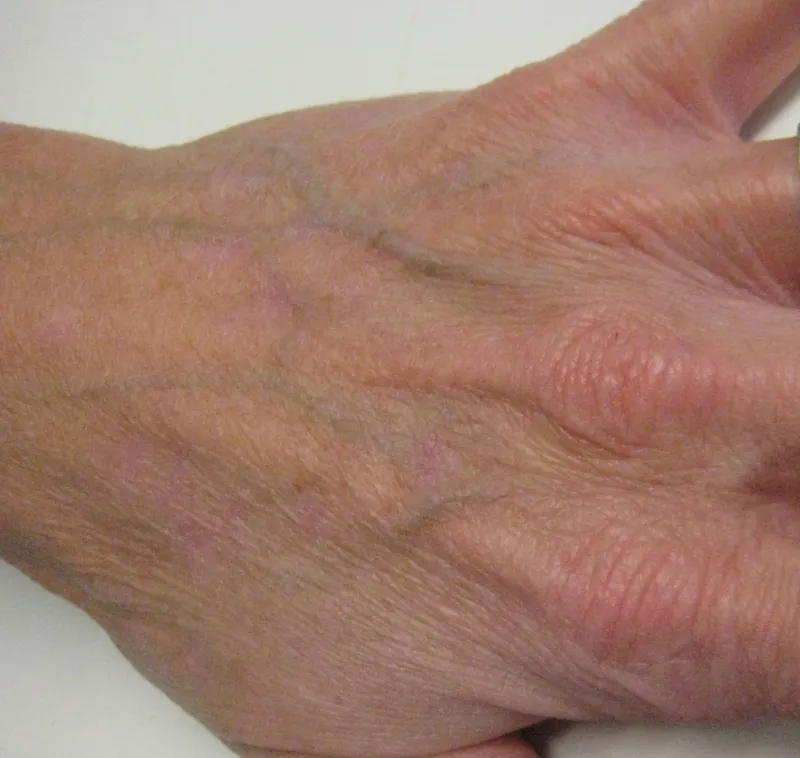
• Hands — Often the most visible sign of sun damage. Hand pigmentation treatment is very popular.
• Decolletage — The chest area shows cumulative sun exposure clearly
• Arms and shoulders — Years of sun exposure accumulates here
• Any sun-exposed area — Backs, legs, wherever spots have developed
Setting Realistic Expectations:
Most surface-level pigmentation responds very well to laser treatment. Age spots and sun spots often fade significantly or disappear completely after 1-3 sessions. However, some factors affect outcomes:
• Deeper pigmentation may require more sessions
• Very old, longstanding spots may be more stubborn
• PIH (Post-inflammatory hyperpigmentation) may return if the underlying inflammation isn't controlled
• Melasma is complex and may not respond to laser (or may worsen—Kathryn will advise)
• New spots can develop with continued sun exposure—treatment removes existing pigmentation but doesn't prevent new spots
The Importance of Sun Protection:
This cannot be overstated: sun protection is essential both before and after pigmentation treatment. Before treatment, sun exposure can affect results and increase risks. After treatment, unprotected sun exposure can cause new pigmentation or worsen treated areas. SPF 30-50 daily is non-negotiable if you want to maintain your results.
Why Professional Treatment Beats Topical Products:
You can buy brightening serums and pigmentation creams, but they can only do so much. These products work on the surface, gradually fading pigment over months (if they work at all). Laser treatment works immediately at the source, shattering the concentrated pigment that topical products can't reach. One laser session often achieves what months of serums cannot.
Kathryn's Approach to Pigmentation:
With 20+ years of laser experience, Kathryn has treated thousands of pigmented lesions across all skin types. She'll carefully assess your pigmentation type during consultation, explaining what's causing it and what results you can realistically expect. If laser isn't appropriate for your specific pigmentation—particularly with melasma or very dark skin tones—she'll tell you honestly and suggest alternatives.
Real results from Mode Laser Skin Clinic clients
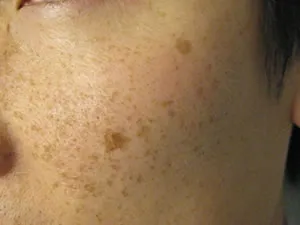
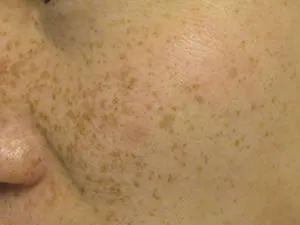
1 / 8
Most clients see good results after 1-3 sessions, depending on the depth and extent of pigmentation.
Most clients describe a quick snapping sensation. Discomfort is minimal and brief.
Treated spots darken immediately, then fade and flake off over 1-2 weeks. Final results visible after healing.
Pigmentation can return after laser treatments if exposed to sun, hormones, or inflammation, daily use of broad-spectrum SPF 30–50 helps prevent this.
Yes. Age spots on hands, arms, and chest are commonly treated alongside facial pigmentation.
If any of these sound familiar, this treatment could be right for you.
Age spots on your hands that make you feel self-conscious
Laser precisely targets each spot—they darken, flake off, and reveal clear skin
Sun damage from years ago that's now showing on your face
Treatment reverses visible sun damage, restoring a more even complexion
Makeup can't fully cover your dark patches
Instead of hiding the problem, laser removes the pigment itself
Feeling like your skin looks older than it should
Clearing pigmentation visibly takes years off your appearance
Kathryn will examine your pigmentation, identify the type (sun damage, age spots, melasma), and explain what results you can expect. Not all pigmentation responds equally to laser.
Avoid sun exposure and tanning for 4-6 weeks before treatment. Arrive with clean skin—no makeup on the treatment area. Stop retinoids 1 week before.
The laser is applied to each pigmented area. You'll feel a quick snapping sensation—like a rubber band. Treatment takes 15-40 minutes depending on how many spots are being treated.
Treated spots will darken immediately—this is expected. Over 7-10 days, the darkened skin will crust and flake off, revealing clearer skin beneath. Don't pick at the crusts.
Final results visible once the treated areas have fully healed (7-14 days). Most spots are significantly lighter or gone after 1-3 sessions. Sun protection is essential to prevent new spots forming.
Not sure what's causing your pigmentation? Even if brightening creams haven't worked, laser targets pigment at its source rather than the surface. Without proper assessment, you risk treating the wrong type of pigmentation. Kathryn will assess your skin during a consultation and identify whether laser treatment or another approach is most appropriate.
Laser treatment breaks up concentrated pigment at its source, leaving you with a more even, uniform complexion. Age spots that have been bothering you for years can be significantly faded or completely removed, taking years off your appearance. Finally, you can reduce reliance on heavy concealer coverage. Even if brightening products have failed, Mode Laser Skin Clinic's laser works at a depth serums cannot reach.
There are no needles, no injections, and no surgical incisions involved in laser pigmentation treatment. The laser works from outside your skin, targeting pigment beneath the surface without cutting or puncturing. You'll experience a brief snapping sensation during treatment, but there's no anaesthesia required.
While treated spots will darken and crust before flaking away (a process that takes 7-14 days), you can return to normal activities immediately. Most clients simply apply makeup over the treated areas during the healing phase—there's no need for time off work or social isolation.
Whether you're dealing with age spots, sun damage, freckles you want removed, or post-inflammatory marks from healed acne, laser treatment can address them all. Kathryn will assess which type of pigmentation you have and confirm that laser is the appropriate treatment approach.
Results develop naturally over 1-2 weeks as treated pigment crusts and flakes away. There's no sudden change—just a progressive clearing that looks completely natural. The crusting phase is brief. Brief healing leads to clearer skin that appears refreshed rather than 'treated.'
Pigmentation makes skin look older and more damaged than it is. Removing these spots can dramatically refresh your appearance, making you look more rested and vibrant. Many clients at Mode Laser Skin Clinic report feeling more confident going without makeup and more comfortable with their reflection.
Address broader skin concerns alongside pigmentation.
Improve overall skin texture and tone.
Gentle exfoliation for refreshed skin.
Learn about our laser technology.
View pigmentation treatment results.
Kathryn takes a limited number of new patients each month. Secure your pigmentation consultation today.
Mode Laser Skin Clinic — Based within Essington Clinic